

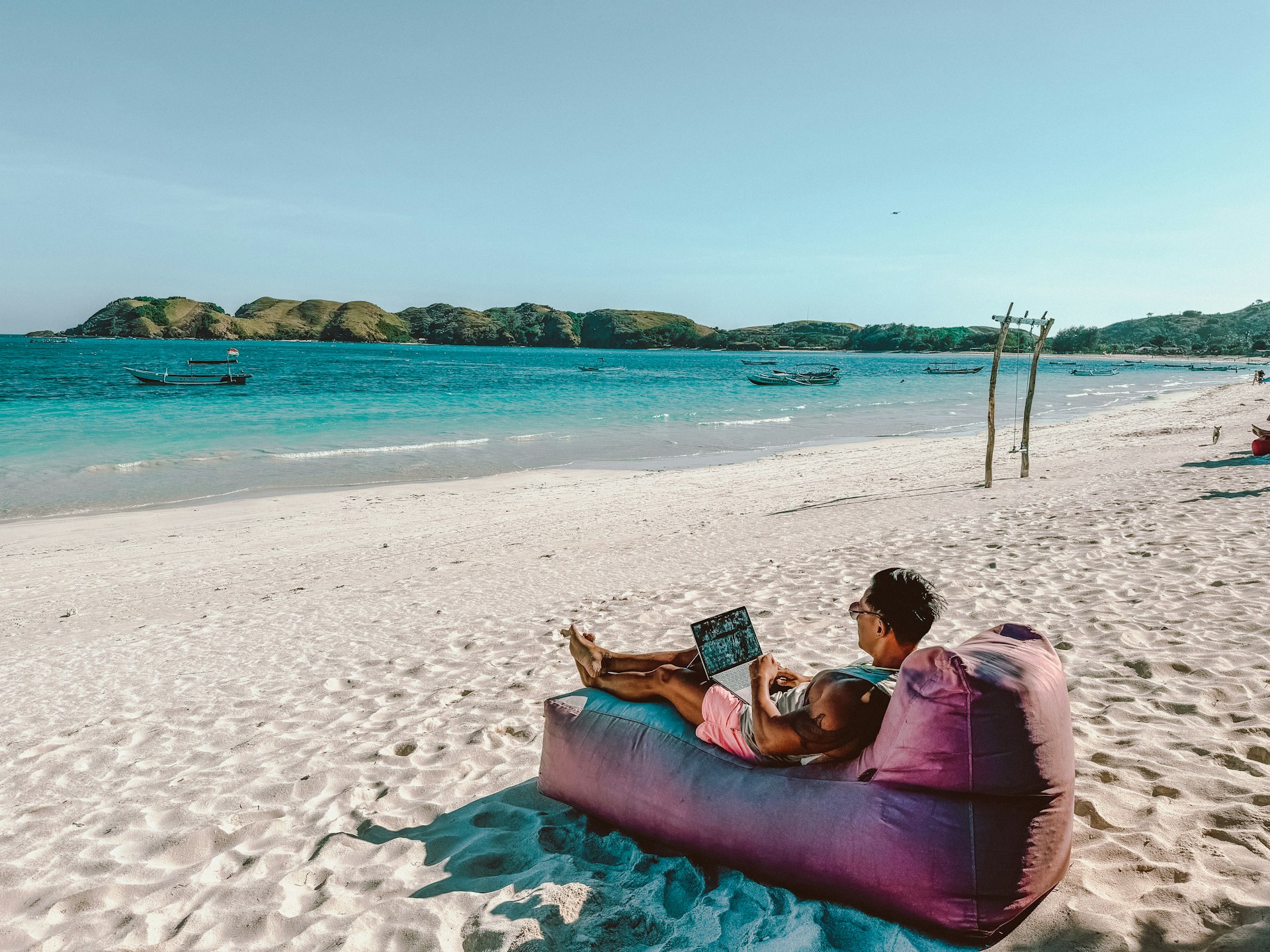
Welcome to Thailand, a kingdom that captivates the soul with its golden temples, turquoise waters, and culinary wonders. For those who dream of a prolonged stay in this enchanting land, a new door has opened: the Destination Thailand Visa, or DTV Visa. This guide is your key to understanding this long-term visa, designed for digital nomads, cultural explorers, and anyone seeking to immerse themselves in the heart of Southeast Asia. Join us as we explore the elegant simplicity of securing your extended Thai adventure with the DTV Visa.
What is the Destination Thailand Visa (DTV)?
Introduced in mid-2024, the Destination Thailand Visa is a multiple-entry visa crafted to support the modern traveler. It provides a legitimate framework for a “workcation” and invites individuals to engage with Thailand’s rich cultural tapestry. Informally known as the “Digital Nomad Visa,” it bridges the gap for those wanting more than a short holiday without committing to residency.
While the DTV Visa is a type of tourist visa—meaning you cannot obtain a Thai work permit for a local company—it offers remarkable flexibility compared to standard tourist options.
Quick Facts: DTV Visa Thailand
| Feature | Details |
| Visa Name | Destination Thailand Visa (DTV) |
| Visa Validity | 5 Years (Multiple Entry) |
| Target Audience | Digital Nomads, “Soft Power” Tourists, Spouses/Dependents |
| Stay Duration | 180 Days per entry (extendable once for 1,900 THB) |
| Application Fee | 10,000 THB (approx. $300 USD, may vary by embassy) |
| Financial Requirement | 500,000 THB (approx. $14,800 USD) in bank funds |
| Work Permit | Not required for remote work with foreign companies; strictly not allowed for Thai employers |
DTV Visa Requirements and Eligibility Categories
The DTV Visa is tailored for three distinct groups of travelers, each with a unique vision for their time in Thailand. The primary applicant must be at least 20 years old to begin their journey.
1. Workcation (Digital Nomads)
This category is the heart of the DTV Visa program. It is designed for freelancers, remote employees working for foreign companies, and online business owners. If your office is wherever your laptop is, this visa provides the structure to work from Thailand’s inspiring landscapes. You will need to provide documentation that proves your remote work status, such as an employment letter, business registration, or a professional portfolio.
🌴 Planning Your Thai Adventure? Don’t spend weeks researching. Grab our Ultimate Thailand Travel Plan
2. Soft Power (Muay Thai, Cooking, Medical)
For those drawn to Thailand’s cultural wealth, the DTV Visa offers a path through “soft power” activities. This route is perfect for individuals wishing to dive deep into Thai traditions. Qualifying activities include:
- Enrolling in a Muay Thai training camp.
- Taking Thai cooking courses.
- Participating in sports training or wellness retreats.
- Undergoing long-term medical treatments.
- Attending professional seminars, workshops, or art festivals.
To enhance your application’s success, the chosen activity should ideally have a duration of at least six months.
3. Spouses and Dependents
One of the most appealing aspects of the DTV Visa is the ability to share your adventure. Legal spouses and unmarried dependent children under the age of 20 can apply as dependents of a primary visa holder. This ensures your family can stay together, with each member holding their own DTV Visa.
Note: Some embassies require dependents to show their own separate proof of 500,000 THB, or for the main applicant to show a higher balance (e.g., 1 Million THB) to cover the family. Check your specific embassy’s requirements.
Required Documents Checklist
Securing your DTV Visa is a structured process that requires careful preparation. A critical point to remember is that you must apply for the DTV Visa from outside of Thailand. It is not possible to convert another visa type into a DTV Visa while you are in the country.
General Documents for All Applicants:
- A valid passport with at least six months of validity remaining.
- A recent, passport-sized photograph taken against a white background.
- Proof of sufficient funds: You must show a bank statement with a minimum balance of 500,000 THB (or its equivalent—about $14,800 USD). This is a “snapshot” balance requirement, not a monthly income threshold; however, some embassies or consulates may require you to provide 3–6 months of statements demonstrating that this amount has been consistently maintained.
- Proof of your current location, such as a driver’s license or recent utility bill.
Category-Specific Documentation:
- Workcation: An employment contract, a letter from your employer confirming remote work, or your business registration documents. Freelancers can use a portfolio or invoices.
- Soft Power: A letter of acceptance or proof of enrollment from the institution hosting your activity (e.g., a Muay Thai gym, cooking school, or medical facility).
- Dependents: Official documents proving your relationship, such as a marriage certificate for a spouse or a birth certificate for a child.
How and Where to Apply
1. Through the Official Thai e-Visa Website (Now Global)
Major 2025 Update: As of January 1, 2025, the Thai e-Visa system has expanded globally. Applicants from nearly all countries can now submit their DTV applications online via thaievisa.go.th, regardless of which embassy processes their file. This eliminates the need for in-person visits for most travelers.
2. At a Royal Thai Embassy or Consulate
If you prefer (or if specifically required by your local embassy), you can still apply in person. However, most embassies are now directing applicants to the online portal. Always contact the embassy ahead of time to confirm their specific procedures, fees, and appointment requirements.
FAQ: Common Questions About the Thai DTV Visa
Can I work for a Thai company with a DTV Visa?
No, the DTV Visa strictly prohibits working for a Thai employer. It is specifically intended for remote work with foreign companies or clients. If you wish to work for a Thai business, you must apply for a Non-Immigrant B Visa and secure a valid Thai work permit.
Does holding a DTV Visa make me liable for tax payments in Thailand?
If you stay in Thailand for 180 days or more in a calendar year, you are classified as a Thai tax resident. The Revenue Department rules have tightened for 2025. Currently, tax residents are generally required to pay Thai personal income tax on any foreign income that is remitted (transferred) into Thailand, regardless of when that income was originally earned. We highly recommend consulting a qualified Thai tax professional to understand your specific liabilities before transferring large sums.
Which nationalities are eligible to apply online for the DTV Visa?
Many nationalities, including those from the UK, USA, Canada, France, and several other countries, can apply for the DTV Visa online through the Official Thai e-Visa Website. Be sure to check the latest eligibility list on the portal before applying, as requirements and eligible countries are subject to change.